
Tel Avib : Middle East Tensions Overshadow Eid Celebrations
Eid celebrations across the Middle East have been subdued amid the ongoing conflict between Iran, the United States and Israel, now entering its third week. For the first time in nearly 60 years, the Al-Aqsa Mosque in Jerusalem remained closed for Eid prayers, marking an unprecedented move since the 1967 Arab-Israeli War.
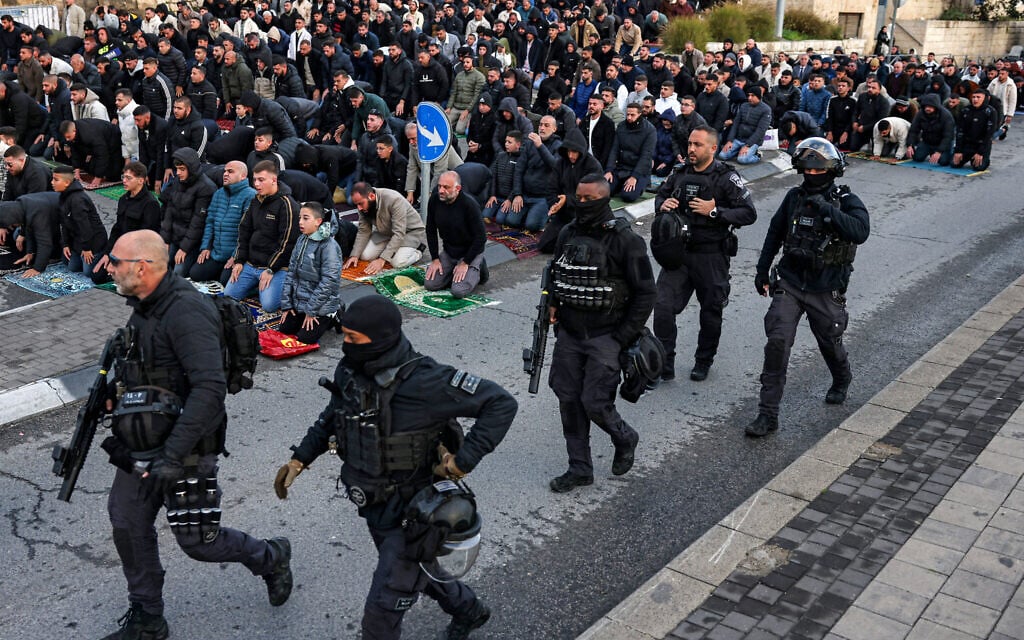
Tensions escalated after debris from an Iranian ballistic missile fell in Jerusalem’s Old City on Friday, landing roughly 400 yards from both the Western Wall and Al-Aqsa Mosque. In response, Israeli authorities increased security deployment around the site and imposed strict access restrictions.
Since late February, authorities have barred entry to non-residents into the Old City, allowing only locals and shopkeepers. Major religious sites, including Al-Aqsa Mosque and the Church of the Holy Sepulchre, have remained closed, with limits placed on public gatherings nationwide. Clashes were reported at city gates as worshippers attempted to enter for Eid prayers but were dispersed by police.
In Iran, Eid was observed under the shadow of war, with markets largely deserted and celebrations muted. Across Gulf nations such as United Arab Emirates, Qatar and Kuwait, authorities banned open-ground Eid prayers due to security concerns.
Meanwhile, in Gaza Strip, residents marked Eid amid devastation caused by ongoing conflict. Rising prices and economic hardship further dampened the festive spirit, with essentials such as food and toys becoming increasingly unaffordable.
Overall, Eid festivities across the region were marked by restrictions, economic strain and heightened security, reflecting the deep impact of the continuing conflict.