
New Delhi : The Union Cabinet, chaired by Narendra Modi, has approved the launch of the Regional Connectivity Scheme – Modified UDAN, to be rolled out over a ten-year period from FY 2026–27 to FY 2035–36 with a total financial outlay of ₹28,840 crore.
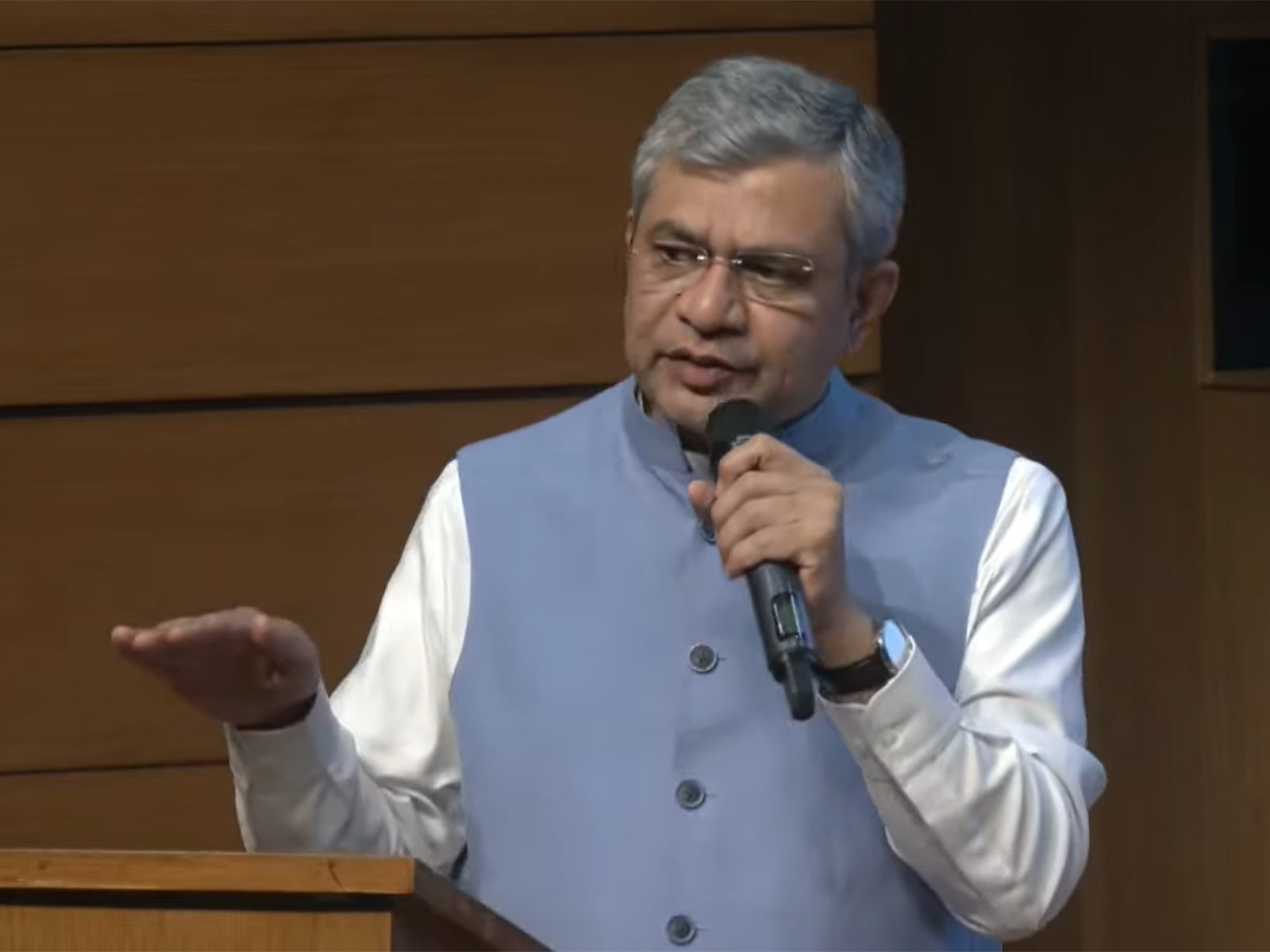
The updated scheme is designed to improve air connectivity in underserved and unserved regions while ensuring affordable travel for citizens. Addressing the media, Union Minister Ashwini Vaishnaw said the initiative will play a key role in boosting economic activity, trade, and tourism, particularly across Tier-II and Tier-III cities.
A major component of the plan includes the development of 100 airports from currently unused airstrips, with ₹12,159 crore allocated for infrastructure expansion over the next eight years. The initiative is part of the government’s broader push to create a globally competitive aviation sector under the Viksit Bharat 2047 vision.
To strengthen connectivity in remote and difficult regions, the scheme also proposes the construction of 200 modern helipads in hilly, island, and aspirational districts, at an estimated cost of ₹3,661 crore. In addition, ₹2,577 crore has been earmarked to support the operation and maintenance of around 441 regional aerodromes for a period of three years, addressing their high costs and limited revenue generation.
The government has further proposed ₹10,043 crore as Viability Gap Funding (VGF) over the scheme’s duration to ensure the sustainability of regional routes.
As part of efforts to promote the domestic aerospace sector under the Atmanirbhar Bharat initiative, the government will procure two HAL Dhruv helicopters for Pawan Hans and two HAL Dornier aircraft for Alliance Air to improve connectivity in challenging terrains.
The original UDAN scheme, launched in 2016, laid the foundation for regional air connectivity in India. As of February 28, 2026, 663 routes have been operationalised across 95 airports, heliports, and water aerodromes, with more than 3.41 lakh flights carrying 162.47 lakh passengers.