
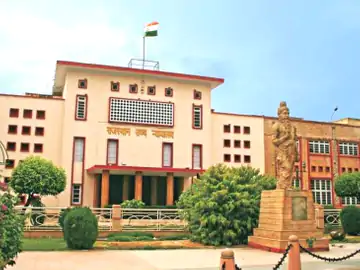
Jaipur : The Rajasthan High Court has raised serious concerns over the functioning of the Anti-Corruption Bureau (ACB) and quashed the FIR along with all criminal proceedings against former Greater Municipal Corporation financial advisor Achaleshwar Meena. The order was delivered by Justice Chandraprakash Shrimali while allowing Meena’s petition.
The court observed that conducting a house search without credible evidence or a valid warrant cannot be considered lawful. It also questioned the ACB’s phone tapping process, noting that due procedures were not followed.
According to the ACB, it had received information that Meena, along with co-accused Dhan Kumar, had taken money collected from contractors to his residence. Acting on this, officials entered his house and conducted a search. However, no bribe money was recovered. The agency later claimed that the accused had disposed of the amount but failed to provide concrete proof.
Meena’s counsel, Sudhir Gupta, told the court that ACB officials forcibly entered the petitioner’s home on 7 January 2022, conducted a search without a warrant, and arrested him. He was presented before a magistrate the next day and remanded for three days. Notably, the FIR was registered only after his arrest.
The court found that the basis for the search was unsubstantiated and that the ACB could not produce solid evidence to support its claims.
The court also criticised the phone tapping process. It noted that the ACB Director General sought approval from the Home Secretary citing public safety concerns, but the Special Home Secretary granted 60 days’ permission without proper authority, which was later extended.
The court held that the provisions of the Indian Telegraph Rules, 1951 were not followed, as the approval was not placed before a review committee within the mandated seven days. It also pointed out that the agency failed to clarify how the accused posed any threat to public safety or what emergency justified the surveillance.
The High Court concluded that the phone tapping amounted to a violation of the petitioner’s right to privacy.
Jaipur :