
New Delhi: India and the European Union are expected to formally sign their landmark Free Trade Agreement (FTA) on December 16 during Prime Minister Narendra Modi’s upcoming visit to Europe, according to senior officials.
The Prime Minister is slated to embark on a four-nation tour encompassing Europe and the United States for high-level bilateral and multilateral engagements. Signing the pact during this visit will mark a major milestone in strengthening economic and strategic ties between New Delhi and the 27-member European bloc.
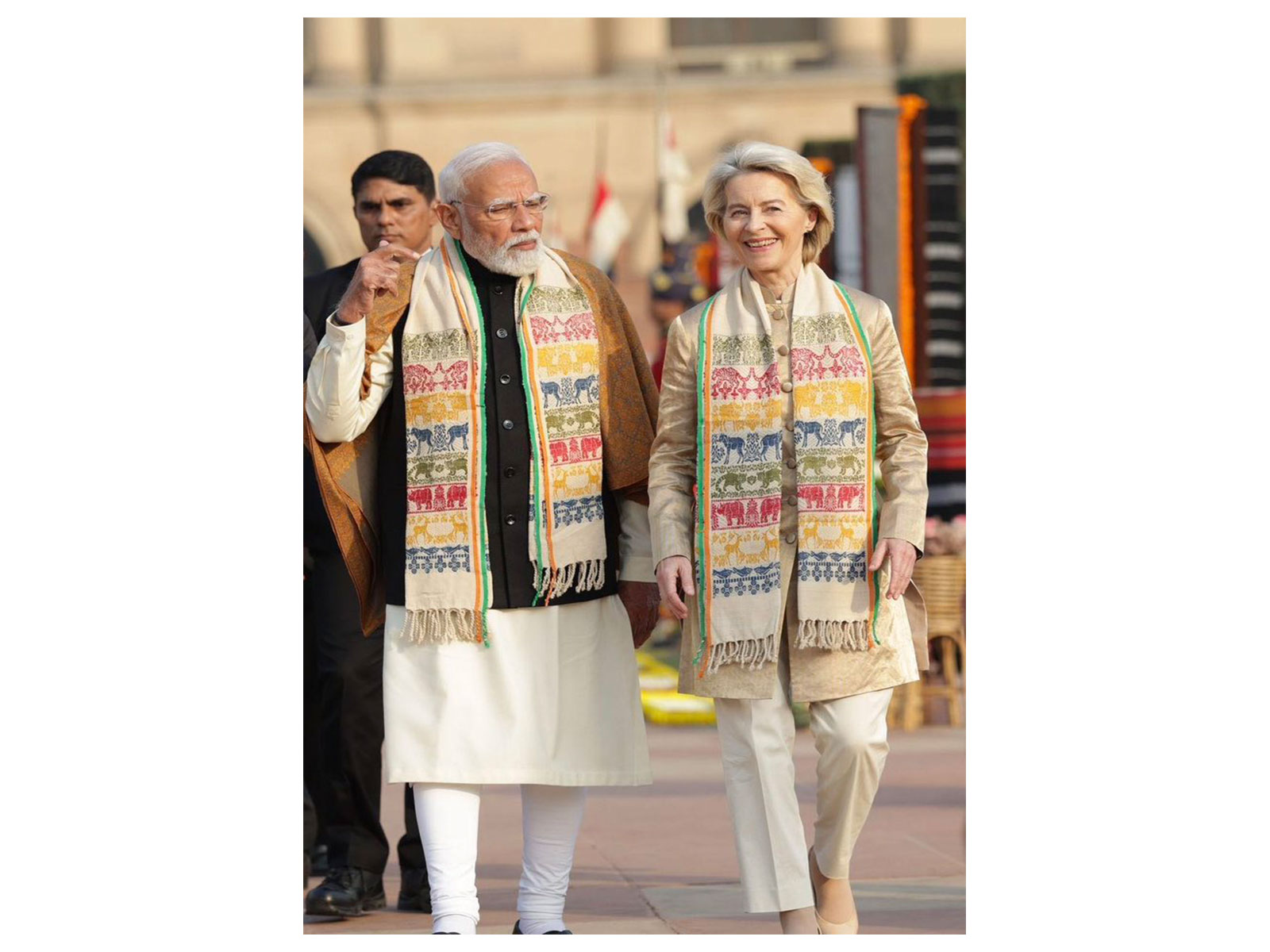
The development comes nearly ten months after both sides concluded long-running negotiations on January 27 during the 16th India-EU Summit—a breakthrough jointly announced by PM Modi and European Commission President Ursula von der Leyen after talks were relaunched in 2022.
Earlier this week, Commerce Secretary Rajesh Agrawal expressed optimism about meeting the year-end timeline. “India-EU FTA progress is very nice, and we hope to sign it in December 2026,” Agrawal said on the sidelines of the ISA Steel Conclave in New Delhi. Speaking separately at a FICCI panel, he added that the government is targeting the first quarter of 2027 to operationalise the pact, contingent on timely procedural clearances.
Road to Implementation Following the conclusion of talks in January, the European Commission submitted formal proposals to the Council of the European Union in September to authorise the signing and conclusion of the deal. Once signed, the pact will still require consent from the European Parliament, a final decision by the EU Council, and domestic ratification by India before entering into force.
Key Highlights and Economic Impact
- Unprecedented Market Access: More than 99 per cent of Indian exports by trade value will gain preferential access to the European market.
- Zero-Duty Boost: Tariffs on nearly USD 33 billion worth of Indian exports in labour-intensive sectors will drop to zero immediately upon implementation, creating fresh opportunities for MSMEs, artisans, women, and youth.
- Key Beneficiaries: Sectors poised for major gains include textiles, apparel, leather, footwear, marine products, gems and jewellery, handicrafts, engineering goods, and automobiles.
- Protecting Domestic Interests: While securing favourable entry for agricultural and processed foods, India has safeguarded sensitive domestic sectors such as dairy, cereals, and poultry.
- Beyond Goods: The comprehensive agreement covers services, digital trade, intellectual property rights, and customs facilitation. It also establishes a framework to ease the mobility of skilled Indian professionals—including intra-corporate transferees, contractual service suppliers, and independent professionals—across EU nations.
Bilateral trade in goods between India and the EU reached EUR 118 billion in 2025, according to European Commission data. The new agreement is expected to significantly expand two-way trade and investment, aligning with India’s broader economic roadmap for Viksit Bharat 2047.
Separately, Commerce Secretary Agrawal noted that negotiations on the proposed India-US interim trade agreement are also in their final stages, stating, “It is nearing conclusion, and we will be there soon”.